




2026 Charleston Market Forecast

As we step into 2026, the economic landscape in South Carolina, particularly in the Charleston region, offers a mix of cautious optimism and steady progress. Drawing from the recent presentation by Dr. Joey Von Nessen, Research Economist at the University of South Carolina's Darla Moore School of Business, this forecast highlights key trends shaping the residential real estate market. 

2025 in Review: Pervasive Uncertainty 

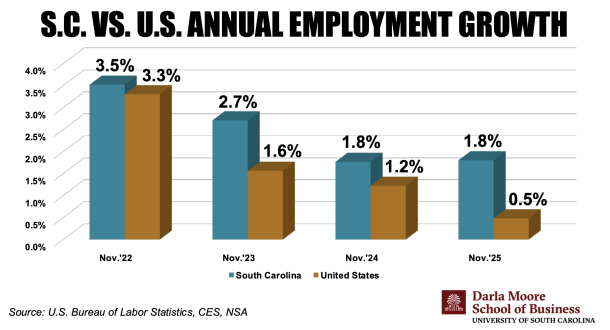
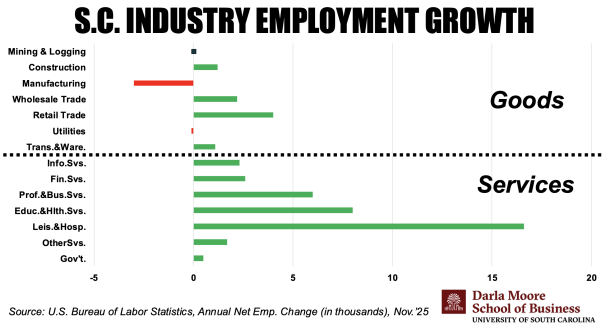
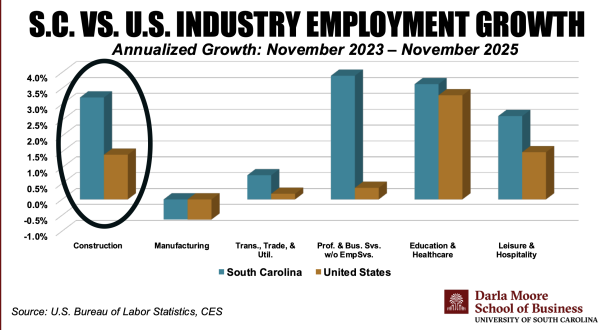
Trade policy shifts, tariffs, and persistent affordability concerns created widespread caution last year. Economic growth moderated modestly, but the slowdown was targeted rather than broad-based. Services sectors held firm, while goods spending softened—likely influenced by tariff-related pressures. South Carolina, however, continued to demonstrate resilience, posting stable and mildly positive growth heading into 2026.

Consumer Sentiment: The Focus on Real Wage Growth

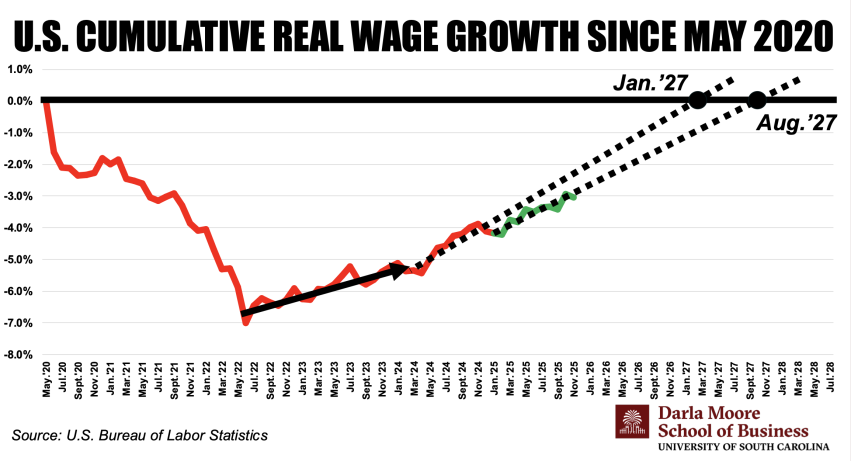
Buyers and sellers remain attentive to three core factors: job security, wage increases, and the cost of living. These boil down to real wage growth—wages adjusted for inflation. Although inflation has moderated significantly, real wage gains have also slowed, contributing to a sense of lingering frustration among consumers. Current trajectories suggest that much of the purchasing power eroded during the high-inflation period could be restored by early 2027, which should gradually restore confidence and support housing demand.

South Carolina’s Continued Strength

While national momentum eased slightly, South Carolina outperformed on several fronts:

  • Unemployment remains at approximately 4.6%, reflecting full employment conditions similar to the healthy 2017 market.
  • Layoff rates are notably low, characteristic of a stable “low hire, low fire” labor market.
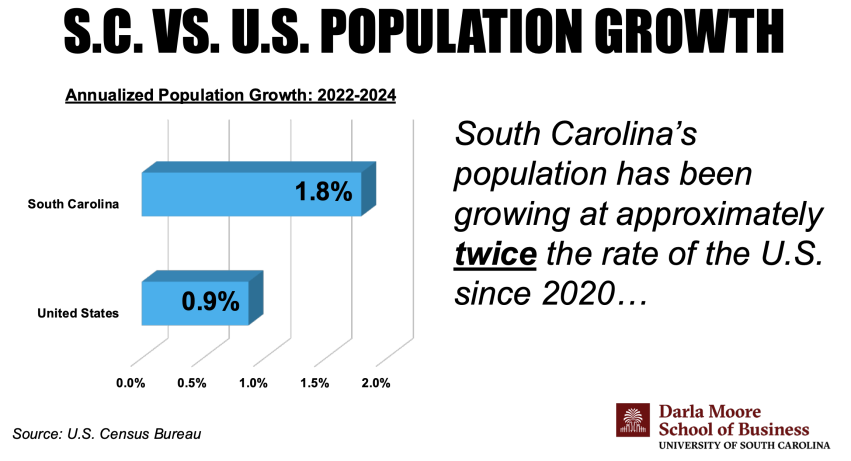
  • Population growth has averaged 1.8% annually since 2020—nearly double the national rate—consistently placing the state among the fastest-growing in the country.

This demographic momentum is the single most powerful driver of housing demand, particularly in the fast-growing Charleston metro area.

The 2026 Housing Market: A Return to Normalcy

Dr. Von Nessen’s central forecast is straightforward: 2026 marks a return to pre-pandemic norms in residential real estate.

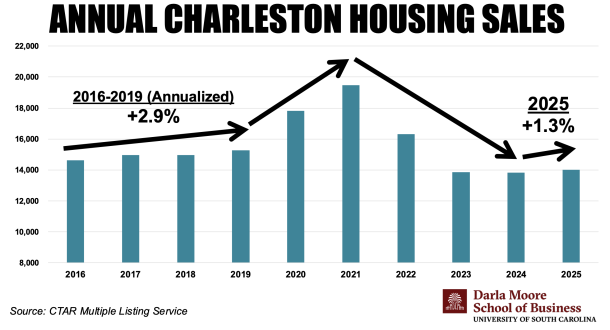
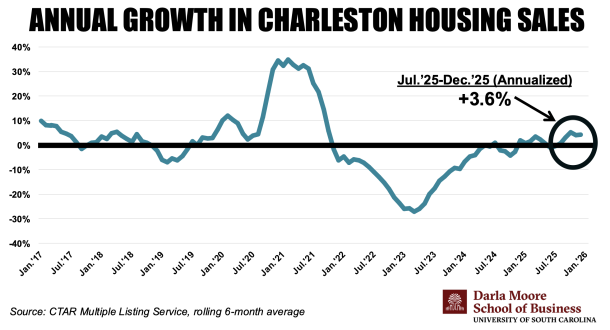
  • Annual home sales growth is expected in the 1.5–3% range, aligning with the steady 2016–2019 period.
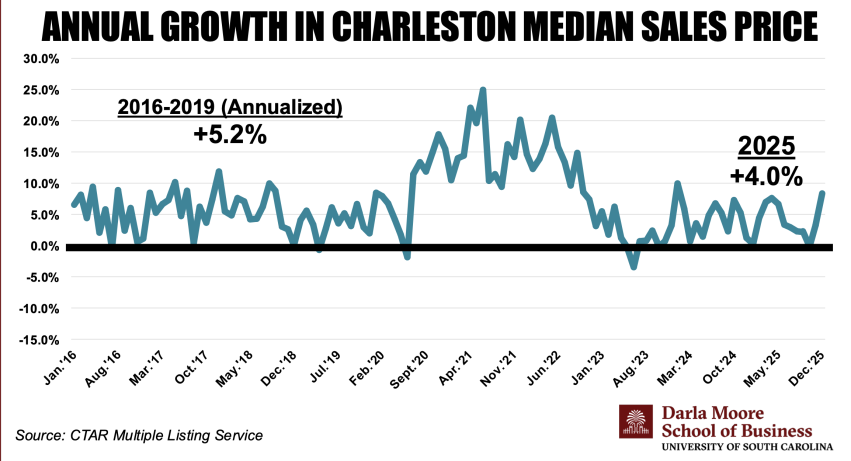
  • House price appreciation should settle around 4%, consistent with long-term sustainable levels and without the extreme swings seen in recent years.
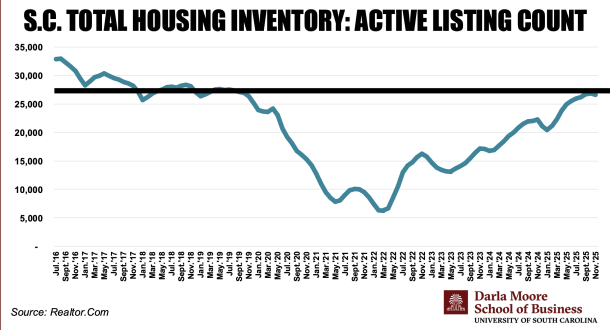
  • Inventory levels are approaching pre-pandemic norms, though ongoing population inflows will likely prevent any widespread oversupply.

The result should be a more balanced market—more options for buyers than in recent years, while well-priced properties continue to move efficiently.

Potential Accelerants

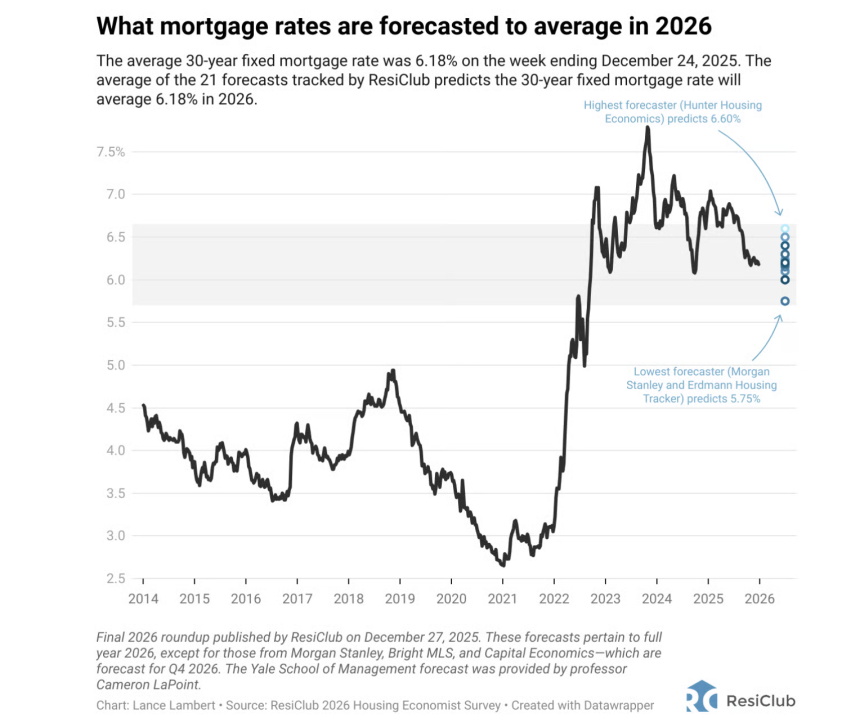
Should the Federal Reserve implement additional rate reductions and job growth strengthens further, Charleston’s market could see accelerated activity. Lower borrowing costs combined with improved buyer confidence would bring more participants off the sidelines, particularly in the entry-level and move-up segments.

Local Developments Worth Watching

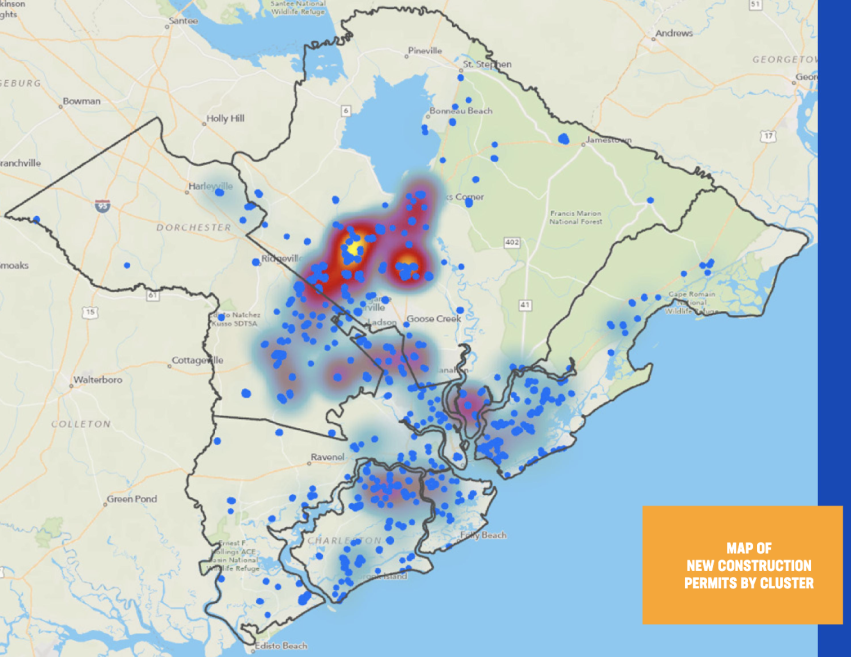
  • The Charleston Home Builders Association anticipates approximately 5,200 new home starts in 2026, representing nearly 30% of the region’s projected 18,000 closed sales.
  • The top five national builders account for 85% of new construction volume, with Berkeley County capturing over half of starts and Dorchester County close behind at roughly 43%.
  • Emerging economic drivers include significant expansion in shipbuilding (potentially rivaling Boeing’s regional impact), continued growth in healthcare services, and increasing interest from corporate headquarters as the metro population approaches 1 million.

These factors reinforce Charleston’s position as a destination for high-wage job creation, which in turn sustains long-term housing demand.

Looking Ahead

The Charleston market in 2026 appears poised for steady, sustainable growth rather than dramatic peaks or troughs. Population and employment trends provide a solid foundation, while moderating interest rates and rising inventory should improve conditions for both buyers and sellers.If you’re considering a move in the coming year—whether buying, selling, or investing—2026 offers one of the more predictable and balanced environments we’ve seen in some time.  Are you planning to buy, sell, or simply observe the market this year?

 2025 Year in Review

$426,947
(+8.0%)

2025
Median Sales Price

3.0
(+7.1%)

2025
Months of Inventory

50
(+25.0%)

2025
Avg Days on Market

96%
(-0.5%)

2025
% Original List Price Received

Curious about what
your home is worth now?

Get an accurate home value report from our team.